💊 “5 Drugs Everyone Knows – But Not Everyone Understands”

Most people know the names of common drugs — but very few know how they really work, what to avoid with them, and when they become risky.

📌 1. Paracetamol (Panadol

– ✔ Used for: Fever, headache, body pain
– 🚨 Risk: Liver damage if dose > 4g/day or mixed with alcohol
– 🧠 Clinical Tip: Patients with liver disease or chronic alcohol use should avoid high doses.

)

📌 2. Ibuprofen (NSAID)

– ✔ Used for: Pain, inflammation, fever
– 🚫 Risk: Can cause gastric ulcers, kidney damage with long-term use or if taken on empty stomach
– 🧠 Clinical Tip: Safe for short-term use with food and hydration
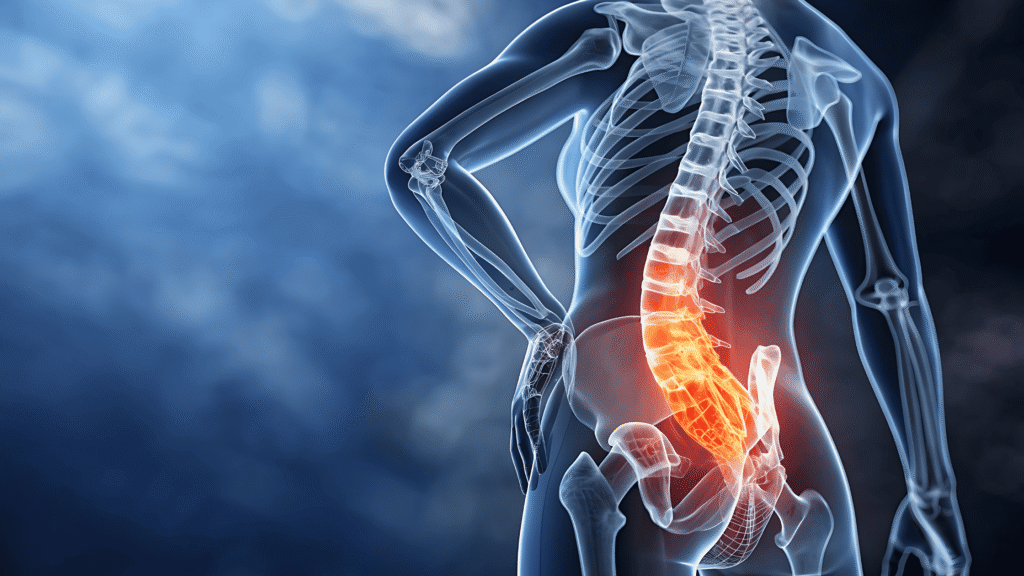
📌 3. Loperamide (Imodium)

– ✔ Used for: Acute diarrhea
– 🚨 Risk: Dangerous if used in infectious diarrhea (can worsen it)
– 🧠 Clinical Tip: Always rule out fever or bloody stool before using it — may indicate bacterial infection!
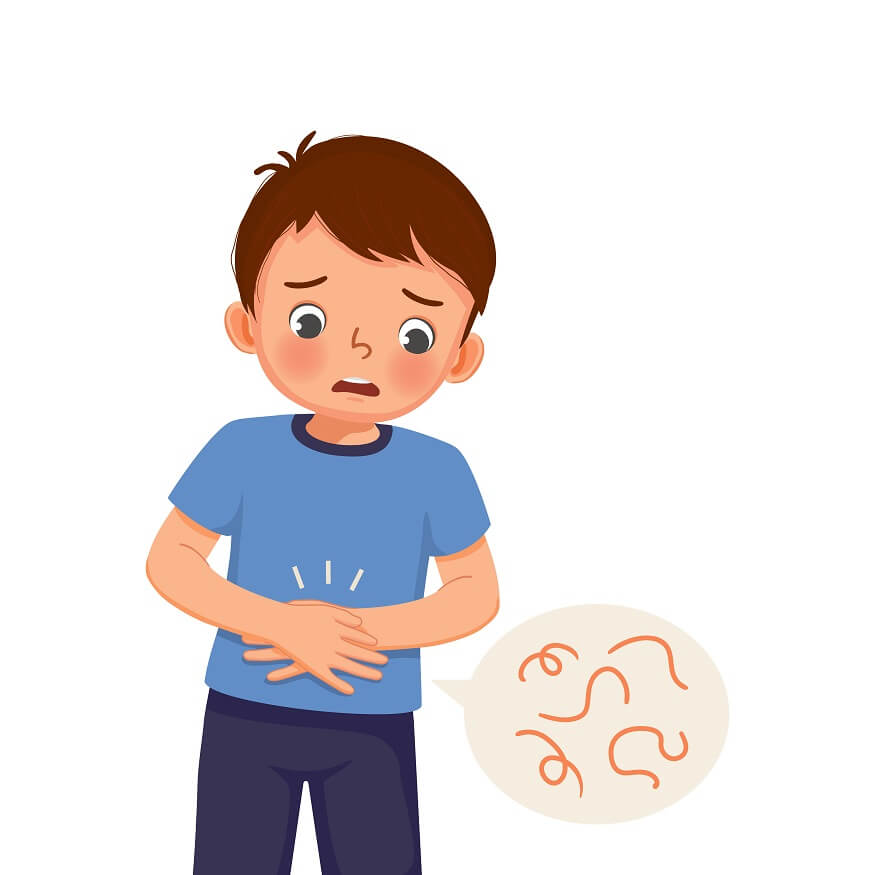
📌 4. Ciprofloxacin (Antibiotic)

– ✔ Used for: UTIs, gastroenteritis, etc.
– ⚠️ Risk: Avoid with calcium, milk, or antacids — reduces absorption
– 🧠 Clinical Tip: Take 2 hours before or 6 hours after calcium-rich meals for max effect
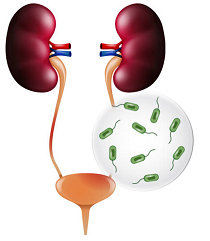
📌 5. Metformin

– ✔ Used for: Type 2 Diabetes
– 🚫 Risk: Lactic acidosis in patients with kidney problems
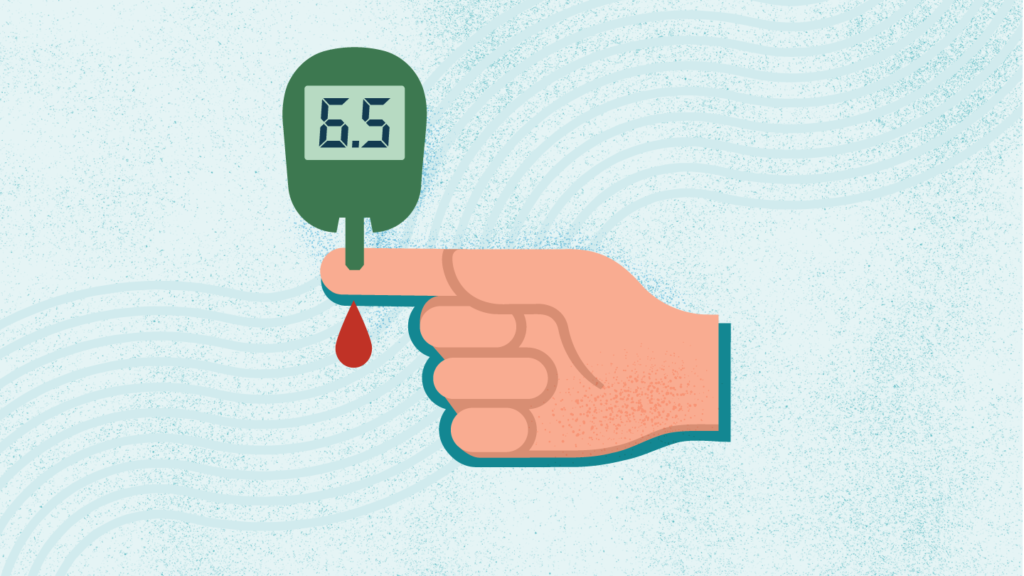
– 🧠 Clinical Tip: Monitor eGFR regularly. Stop temporarily before contrast procedures (CT scans etc.)
🌟 Why This Matters:

👩‍⚕️ Let’s move from “just taking medicine” to “knowing medicine.”

💬 Want me to break down 5 more drugs in the next post?

Similar Posts

  • Global population, could be affected by high myopia by 2050

    High myopia is a major global public health issue. It is defined as a refractive error of ≤ −6.00 diopters (D) or an axial length (AL) of ≥ 26.5 mm. This condition is one of the leading causes of irreversible visual impairment and blindness worldwide. The prevalence of myopia, especially high myopia, is increasing rapidly….

  • Natural Kidney Supplements

    Most patients fail to inform their health care providers of their supplements use, and physicians rarely inquire. Annually, thousands of dietary supplements may cause  side effects that  are reported to Poison Control Centers nationwide.  46%  percent of supplements users consider these products to be safe and effective. Unfortunately, most patients likely do not understand  the …

  • Is Cholesterol Good or Bad?

    What is cholesterol? Cholesterol is a waxy, fat-like substance that the body needs. It’s a structural component of every cell membrane. About 80% of cholesterol is made in the liver; only ~20% typically comes from diet. Types of cholesterol Why cholesterol gets blamed for heart disease? The Cholesterol Confusion Robert DuBroff, a cardiologist at the…

  • A Novel Patch Grafting Approach

    Stem cell therapy is emerging as a promising therapeutic strategy for patients with Type 1 Diabetes (T1D)—a condition characterized by autoimmune destruction of pancreatic β-cells. Traditional methods of directly injecting therapeutic cells into the pancreas can trigger acute inflammation and pancreatitis, limiting clinical applicability. To overcome this limitation, researchers developed an innovative patch grafting technique…

  • Global Trends in Obesity

    The prevalence of obesity has risen to alarming levels worldwide, leading the World Health Organization (WHO) to classify it as a major public health concern. Obesity is defined as a body mass index (BMI) of 30 kg/m² or higher. Since 1975, its global prevalence has nearly tripled, affecting individuals across all age groups, socioeconomic backgrounds,…