Benefits of Sunflower Seeds: Types & Nutritional Value
If you’ve ever wondered why some sunflower seeds are perfect for snacking while others are strictly for making oil, this research gives us the “why.” Essentially, not all sunflower seeds are created equal—their internal chemistry and structure change depending on their variety.
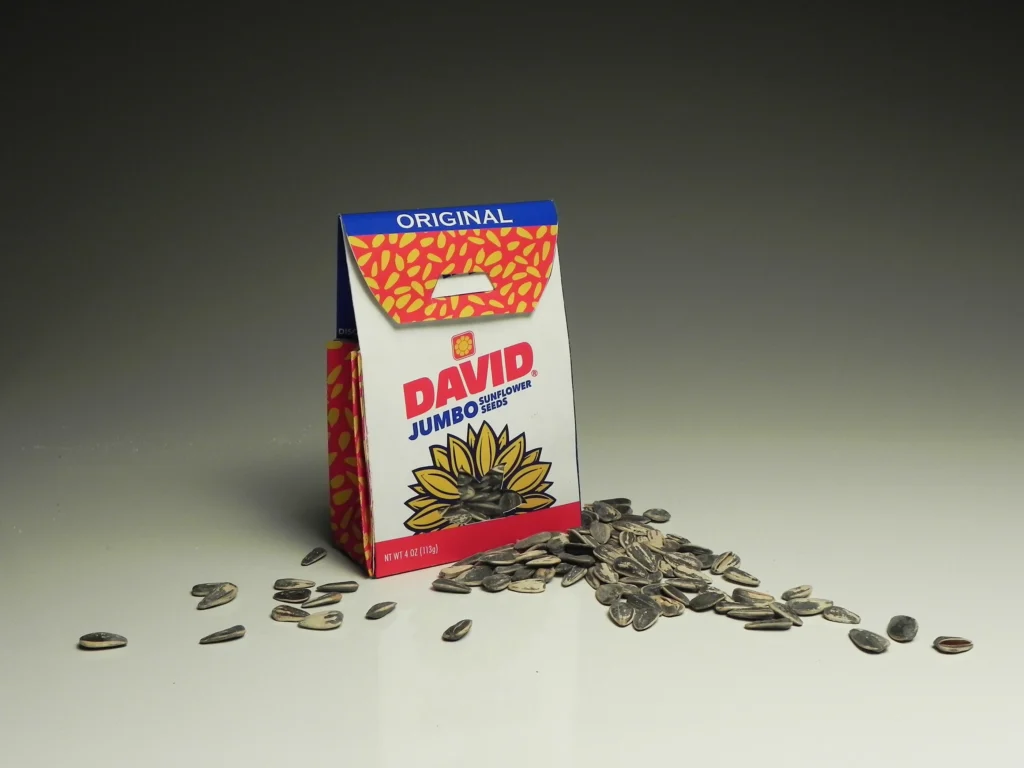
Here is a breakdown of what the scientists discovered:
1. Different “Blueprints”
The seeds don’t just look different on the outside; they are built differently on the inside.
- Structure: Edible seeds (the kind you eat at a ballgame) and oil-producing seeds have different textures and “cell layouts.”
- Composition: The way oil, protein, and starch are packed into the seeds varies wildly. This means a machine that processes one type might not work as well for the other.
2. The Fat Factor (Good News for Health)
The oil inside these seeds is made up of two main healthy fats, but the ratios depend heavily on the variety:
- Oleic Acid: Ranged from 18% to 79%. High-oleic varieties are great for cooking because they stay stable at high heat.
- Linoleic Acid: Ranged from 10% to 51%. This is an essential fatty acid that our bodies need.
3. Protein Power
Once the oil is squeezed out, you’re left with “sunflower meal,” which is a protein goldmine.
- The Building Blocks: It’s loaded with Glutamic acid (great for metabolism) and Arginine (good for heart health).
- The Structure: The proteins are mostly “globulins” and “albumins.” On a molecular level, they are shaped mostly like “beta-folds”—a structure that determines how well the protein can be used to make things like protein shakes or meat alternatives.
4. The “S-S” Mystery
The researchers found that Sulfhydryl (-SH) and Disulfide (S-S) bonds—the chemical “glue” that holds proteins together—vary a lot between varieties. This is a big deal for food manufacturers because these bonds decide if a protein will be stretchy, firm, or soluble in water.
The Big Picture
You can’t just use any sunflower seed for any purpose. If you want to make a high-quality protein powder or a premium cooking oil, you have to pick the right variety first. This study provides the “map” to help manufacturers choose the best seed for the job.
Sunflower seeds are a nutrient-dense snack that offer a variety of health benefits, though like any food, they are best enjoyed in moderation.
Nutritional Highlights
Sunflower seeds are particularly rich in healthy fats, protein, and several key micronutrients:
- Vitamin E: A powerful antioxidant that supports immune function and skin health.
- Magnesium: Essential for muscle function, nerve transmission, and bone health.
- Selenium: Plays a critical role in DNA synthesis and protecting the body from oxidative damage.
- Healthy Fats: They are high in polyunsaturated and monounsaturated fatty acids, which are beneficial for heart health.
Key Benefits
- Heart Health: The presence of phytosterols and unsaturated fats can help manage cholesterol levels.
- Inflammation Reduction: Flavonoids and other plant compounds in the seeds help reduce chronic inflammation.
- Energy Boost: They provide a steady source of energy due to the combination of protein, fiber, and fats, making them a great fuel for physical activity.
In addition to being a delicious snack, sunflower seeds can be incorporated into various dishes. For instance, they can be sprinkled on salads for added crunch, blended into smoothies for a protein boost, or used in baking for a nutritious twist. Their versatility makes them an excellent choice for anyone looking to enhance their diet.
Sunflower seeds are also a great addition to granola bars and trail mixes, providing a satisfying crunch along with essential nutrients. They can help keep you feeling full longer, making them an excellent choice for a midday snack or pre-workout fuel.
Some people also enjoy roasting sunflower seeds with various seasonings to create a savory snack. Whether you prefer them spicy, sweet, or simply salted, roasting enhances their flavor and can make them even more appealing.
Incorporating sunflower seeds into your diet is easy and can be done in numerous ways. From salads and snacks to baked goods and spreads, the culinary possibilities are endless. Their nutritional benefits, coupled with their versatility, make sunflower seeds a fantastic choice for promoting overall health and well-being.
In terms of energy, sunflower seeds provide a quick source of fuel thanks to their combination of protein, fiber, and healthy fats. For those engaged in regular physical activity, they can be an ideal snack to sustain energy levels and support muscle recovery after workouts.
The selenium content in sunflower seeds also deserves mention, as it has been linked to reduced inflammation and improved immune response. This trace mineral is vital for thyroid function and may help protect against certain cancers, making these seeds a valuable addition to a balanced diet.
Moreover, the magnesium found in sunflower seeds is not only essential for muscle function but also helps regulate blood pressure and supports a healthy immune system. Studies indicate that magnesium can improve sleep quality and aid in relaxation, making sunflower seeds an excellent pre-bedtime snack.
One of the standout features of sunflower seeds is their high vitamin E content, which acts as a powerful antioxidant. This vitamin plays a crucial role in protecting cells from oxidative stress and may reduce the risk of chronic diseases. Including sunflower seeds in your regular diet can contribute to better skin health, as vitamin E has been shown to support skin hydration and elasticity.
Furthermore, sunflower seeds can be used to create sunflower seed butter, which is a great alternative to peanut butter for those with nut allergies. This buttery spread is not only tasty but also packed with the same health benefits as whole seeds. You can use it in sandwiches, smoothies, or as a dip for fruits and vegetables.
