What Is Ebola? Causes, Symptoms, Diagnosis, Treatment & Prevention
Ebola is a serious and potentially life-threatening disease caused by a group of viruses called orthoebolaviruses.
How Does Ebola Spread?
Ebola spreads through direct contact with the body fluids of someone who is infected or has died from the disease. These body fluids include:
🩸 Blood
💧 Urine
💦 Saliva
🧬 Semen
🚽 Feces (stool)
The virus can enter your body through:
- 👁️ Eyes
- 👃 Nose
- 👄 Mouth
- 🩹 Cuts or broken skin
Ebola can also spread by:
- Touching or eating infected wild animals.
- Contact with contaminated medical equipment, such as used needles.
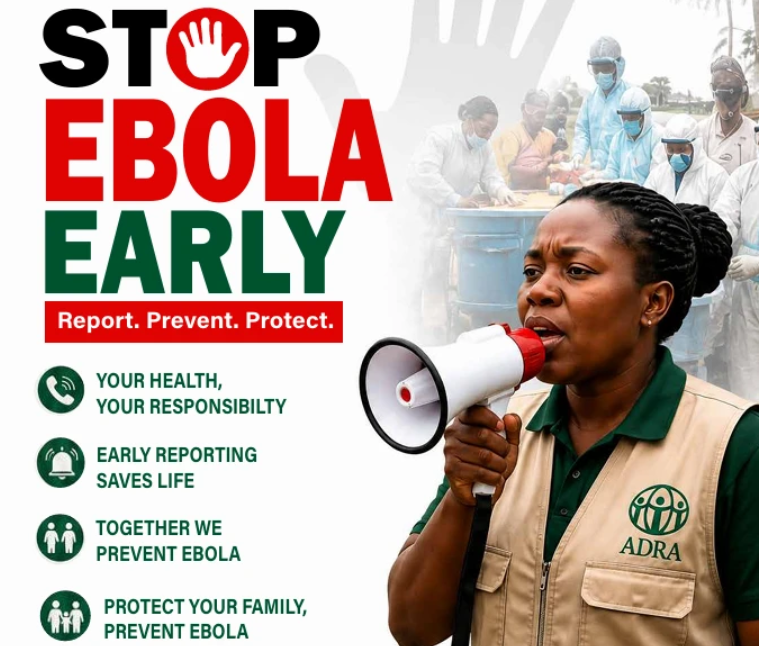
How Common Is Ebola and Where Have Outbreaks Occurred?
Ebola is rare, but outbreaks can still happen.
The largest Ebola outbreak occurred in West Africa (2014–2016) and resulted in:
- About 29,000 infections
- More than 11,000 deaths
In May 2026, the World Health Organization (WHO) declared an international public health emergency after an outbreak of Bundibugyo virus Ebola in the Democratic Republic of the Congo and Uganda.
What Are Common Risk Factors for Ebola?
Some people have a higher risk of getting Ebola because they come into close contact with infected individuals.
People at higher risk include:
- Healthcare workers caring for Ebola patients, especially if they are not wearing protective equipment such as gloves, gowns, masks, and eye protection.
2. Family members or caregivers who look after someone with Ebola at home.
3. People taking part in traditional funeral rituals that involve touching or washing the body of someone who died from Ebola.
4. Using proper protective equipment and avoiding direct contact with infected body fluids are the best ways to reduce the risk of infection.
What Are Common Symptoms of Ebola and How Is it Diagnosed and Treated?
Symptoms usually appear 6–12 days after exposure and may include:
- 🌡️ Fever and chills
- 😴 Extreme tiredness (fatigue)
- 🤕 Headache
- 💪 Muscle and body aches
- 🌿 Loss of appetite
- 🤢 Vomiting
- 💩 Diarrhea
- 🌸 Skin rash
In severe cases, people may develop:
- 🩸 Easy bruising
- 🚨 Bloody diarrhea
- 🩸 Bleeding from the mouth, nose, or eyes
- ❤️ Organ failure, which can be life-threatening
How Is Ebola Diagnosed?
Doctors diagnose Ebola by:
- Asking about symptoms
- Checking for possible exposure, such as recent travel to an affected area or close contact with an infected person
- Confirming the infection with a PCR blood test, which detects the Ebola virus
How Is Ebola Treated?
Most people with Ebola need hospital care, and severely ill patients may require treatment in an intensive care unit (ICU).
Treatment focuses on supporting the body and may include:
- 💧 IV fluids to prevent dehydration
- ⚖️ Electrolytes to maintain body balance
- 💉 Medicines to support blood pressure
- 🫁 Breathing support if needed
⚠️ Some types of Ebola have specific treatments, but there is currently no approved targeted treatment for the Bundibugyo virus responsible for the 2026 outbreak. Early medical care greatly improves the chance of survival.
What Are Ways to Prevent Ebola Infection?
You can lower your risk of Ebola by taking these simple precautions:
✅ Avoid direct contact with the blood or body fluids of someone who has Ebola.
🧤 Wear protective equipment (such as gloves, gowns, masks, and eye protection) when caring for an infected person.
🦇 Do not touch or eat wild animals that may carry the virus in areas where Ebola outbreaks are occurring.
💉 Avoid contact with contaminated objects, such as used needles or medical equipment.
💉 Vaccines: A vaccine is available for one type of Ebola virus, but there is currently no approved vaccine for the Bundibugyo virus responsible for the 2026 outbreak.
✈️ Travel Advice: The U.S. Centers for Disease Control and Prevention (CDC) advises people to avoid nonessential travel to areas experiencing Ebola outbreaks.
