”5 Common Drugs You Use Daily — Risks, Tips & What to Avoid”

Most people know the names of common drugs — but very few know how they really work, what to avoid with them, and when they become risky.

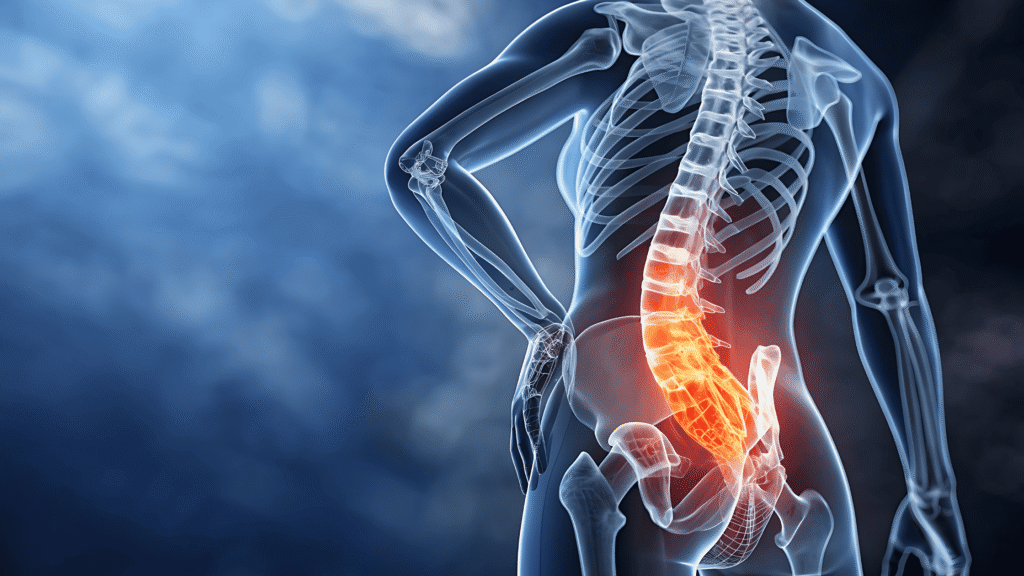
📌 1. Paracetamol (Panadol

– ✔ Used for: Fever, headache, body pain
– 🚨 Risk: Liver damage if dose > 4g/day or mixed with alcohol
– 🧠 Clinical Tip: Patients with liver disease or chronic alcohol use should avoid high doses.

)

📌 2. Ibuprofen (NSAID)

– ✔ Used for: Pain, inflammation, fever
– 🚫 Risk: Can cause gastric ulcers, kidney damage with long-term use or if taken on empty stomach
– 🧠 Clinical Tip: Safe for short-term use with food and hydration
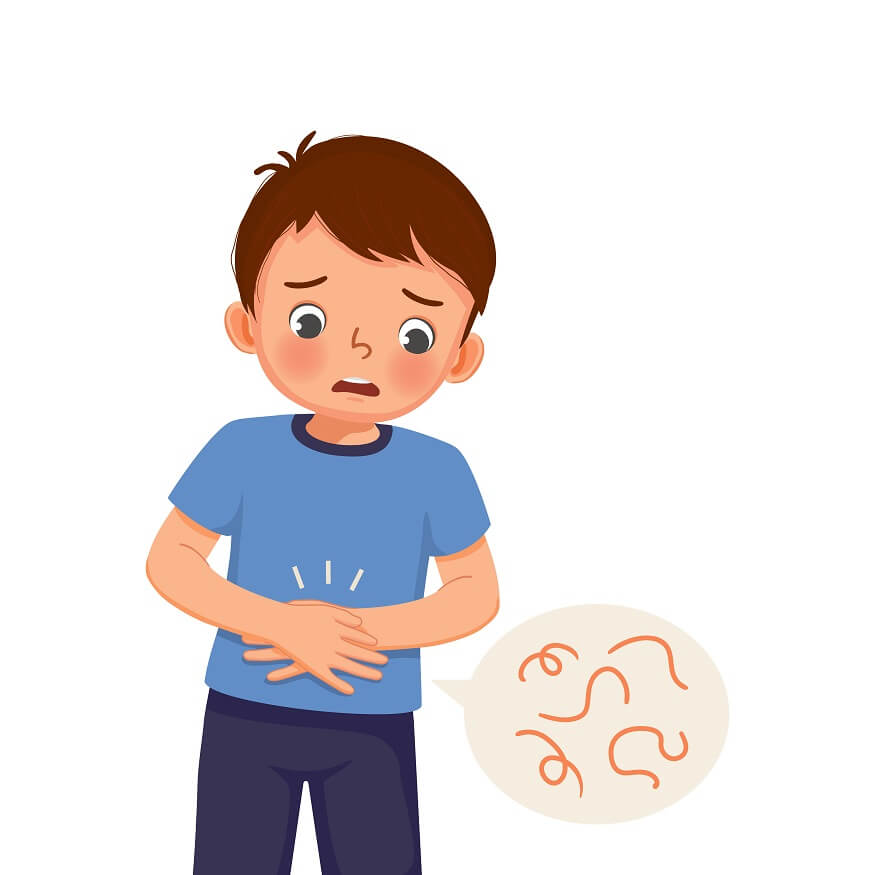
📌 3. Loperamide (Imodium)

– ✔ Used for: Acute diarrhea
– 🚨 Risk: Dangerous if used in infectious diarrhea (can worsen it)
– 🧠 Clinical Tip: Always rule out fever or bloody stool before using it — may indicate bacterial infection!
📌 4. Ciprofloxacin (Antibiotic)

– ✔ Used for: UTIs, gastroenteritis, etc.
– ⚠️ Risk: Avoid with calcium, milk, or antacids — reduces absorption
– 🧠 Clinical Tip: Take 2 hours before or 6 hours after calcium-rich meals for max effect
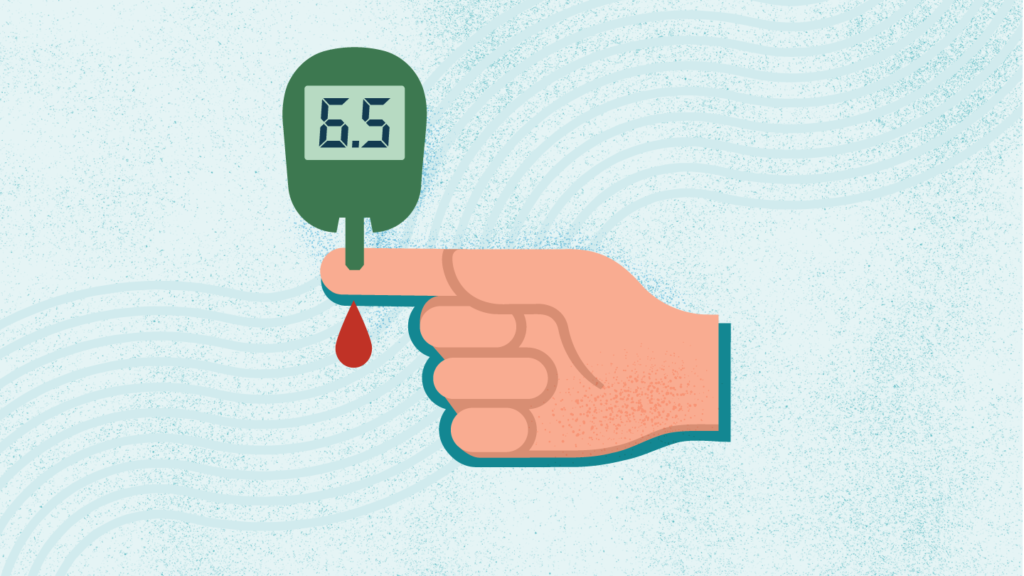
📌 5. Metformin

– ✔ Used for: Type 2 Diabetes
– 🚫 Risk: Lactic acidosis in patients with kidney problems
– 🧠 Clinical Tip: Monitor eGFR regularly. Stop temporarily before contrast procedures (CT scans etc.)
🌟 Why This Matters:

👩‍⚕️ Let’s move from “just taking medicine” to “knowing medicine.”

💬 Want me to break down 5 more drugs in the next post?

Similar Posts

  • Cholesterol Myth? What Modern Research Says about Cholesterol

    What is cholesterol? Cholesterol is a waxy, fat-like substance that the body needs. It’s a structural component of every cell membrane. About 80% of cholesterol is made in the liver; only ~20% typically comes from diet. Types of cholesterol Why cholesterol gets blamed for heart disease? The Cholesterol Myth Robert DuBroff, a cardiologist at the…

  • How Dehydration Impacts High Blood Pressure Levels

    Dehydration can affect blood pressure through a complex interaction of physiological mechanisms, mainly involving activation of the renin–angiotensin–aldosterone system (RAAS), vasopressin release, and autonomic nervous system responses. The body carefully regulates water and electrolyte balance to maintain stable fluid composition and volume within both extracellular and intracellular compartments. When this balance is disturbed, as occurs…

  • High Myopia: A Growing Global Eye Health Crisis

    High myopia is a major global public health issue. It is defined as a refractive error of ≤ −6.00 diopters (D) or an axial length (AL) of ≥ 26.5 mm. This condition is one of the leading causes of irreversible visual impairment and blindness worldwide. The prevalence of myopia, especially high myopia, is increasing rapidly….

  • Oral Semaglutide Reviews Cardiovascular Risks in diabetes

    The study enrolled 9,650 patients from 444 medical centers in 33 countries. Participants had type 2 diabetes along with atherosclerotic cardiovascular disease, chronic kidney disease, or both. The average age of participants was about 66 years, and 29% were women.Patients were followed for about 47.5 months, allowing researchers to evaluate the long-term cardiovascular effects of…