Why Do Adults Misuse Prescription Drugs?
Prescription drug misuse represents a significant public health concern. Understanding the sources from which misused prescription drugs are obtained—and how these sources vary by type of user—is essential for developing effective prevention and intervention strategies.
Prescription drug misuse is the second most common form of illicit drug use after marijuana. This makes it a significant public health concern. Understanding the extent of prescription drug misuse and the factors driving it is essential for developing effective prevention and treatment strategies. Policymakers can use the information to better assess community-level substance use trends and to design targeted interventions that address local prevention, treatment, and recovery needs. The most recent prescription drugs misuse for adults aged 18 or older.
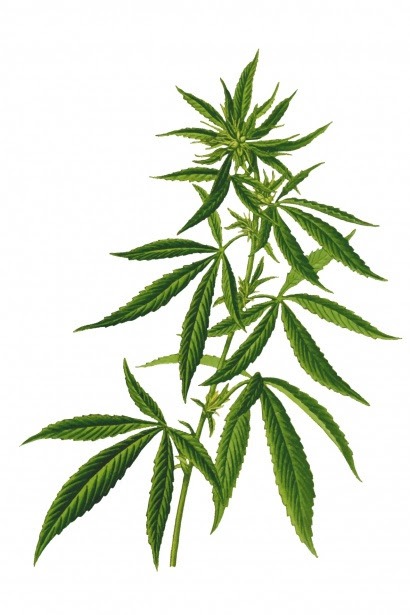
Pic: Marijuana Plant
According to a survey report conducted in Rockville, USA, 2015, an estimated 91.8 million adults aged 18 or older reported using prescription pain relievers in the past year, representing 37.8 percent of the adult population. Among them, approximately 11.5 million adults misused prescription pain relievers at least once during the same period. The most frequently reported reason for misuse was to relieve physical pain, accounting for 63.4 percent of cases.
Approximately 5.7 million adults reported misusing prescription tranquilizers at least once in the past year. The most commonly cited reasons for misuse during the most recent occasion were to relax or relieve tension (46.2 percent) and to help with sleep (21.2 percent).
In addition, about 4.8 million adults misused prescription stimulants during the past year. The primary reasons for stimulant misuse included to stay alert or awake (28.4 percent), to improve concentration (26.2 percent), and to assist with studying (22.4 percent).
Furthermore, an estimated 1.4 million adults misused prescription sedatives at least once in the past year. The most frequently reported reason for sedative misuse during the most recent episode was to help with sleep, accounting for 73.2 percent of cases.
This study demonstrates that the majority of individuals who misuse prescription drugs do so for purposes consistent with their intended medical use, rather than to achieve euphoric effects. However, despite these intentions, the misuse of prescription medications—particularly opioids—poses serious and well-documented risks, including dependence, overdose, and death.
Conclusion: These findings underscore the importance of improving safe prescribing practices, patient education, and access to appropriate treatment and monitoring strategies.
The report suggests that individuals can play a direct role in reducing access to prescription pain relievers by not sharing their medications and by properly disposing of unused pain relievers once treatment is complete. Across all age groups, genders, and user types, the majority of individuals who misused prescription pain relievers obtained them from a friend or relative. The second most common source was a single prescribing physician.
To reduce the availability of prescription pain relievers for nonmedical use, healthcare providers must continue to exercise caution in prescribing practices and monitor patients for signs of misuse. In addition, clinicians may consider counseling patients on the safe storage and proper disposal of unused medications to help prevent diversion and misuse.
Other Legal medicines taken without medical guidance.
- Painkillers
- Cough syrups (codeine-based)
- ADHD medications
Note: The major harms include addiction, liver/kidney damage, overdose.
