WHO Report Reveals How Fruity Flavors, Festivals, and F1 Marketing Help Nicotine Pouches Attract Young Users
Abstract: This article discusses a World Health Organization (WHO) report that highlights marketing strategies used by nicotine pouch companies to attract and retain consumers. Key tactics include the use of appealing fruity flavors, sponsorship of music festivals, and association with high-profile events like Formula 1 racing. These methods are designed to target younger demographics and increase product uptake, raising concerns about public health and nicotine addiction.
Key Points from the Report:
This article reviews findings from a recent WHO report that sheds light on how nicotine pouch companies employ aggressive marketing strategies to attract consumers, especially younger people and non-smokers. Nicotine pouches are smokeless, spitless products that deliver nicotine via oral mucosa without tobacco leaf, often positioned as alternatives to cigarettes or vaping.
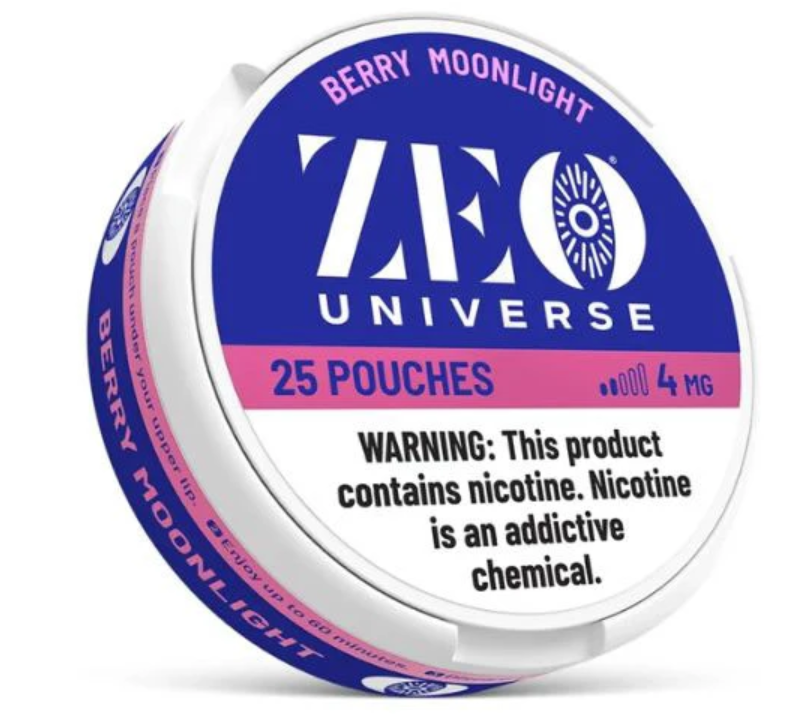
- Appealing Fruity Flavors: The report highlights that nicotine pouches are infused with a wide range of fruity and sweet flavors such as berry, tropical fruit, and candy-like tastes. These flavors are deliberately chosen to mask the harshness of nicotine, making the products more palatable and attractive, particularly to youth and novice users. This tactic mirrors earlier strategies used by cigarette and e-cigarette markets to hook consumers.
- Event Sponsorship and Lifestyle Marketing: Nicotine pouch brands are increasingly using sponsorships of popular cultural and sporting events to normalize and glamorize their products. The report emphasizes that festivals and major sporting events like Formula 1 racing are common platforms to promote these products, associating nicotine pouch use with excitement, social acceptance, and an aspirational lifestyle.
- Targeting Youth and Initiation Risks: The WHO report expresses concern about nicotine pouches acting as a gateway for nicotine addiction among young people and non-smokers. Because these products are discrete, easy to use, and bear fewer social stigmas than smoking, they may encourage initiation of nicotine use where previously there was none.
- Lack of Regulation and Public Awareness: The report points out gaps in regulatory frameworks across many countries, which often do not classify nicotine pouches under tobacco product regulations. This regulatory void enables unchecked marketing and distribution. The WHO calls for stronger regulations, public education campaigns, and monitoring to curb the rise in nicotine pouch use.
- Public Health Implications: The article argues that while nicotine pouches may be less harmful than combustible tobacco, the addictive potential and the increase in nicotine initiation among young demographics present significant public health challenges. It underscores the importance of balancing harm reduction for smokers with prevention of new users.
Health Risks of Nicotine Pouch Use
- Nicotine Addiction:
- Nicotine pouches deliver nicotine, a highly addictive substance, through the mucous membranes in the mouth. Regular use can lead to nicotine dependence similar to other nicotine products.
- Addiction potential especially concerning youth and non-smokers who initiate use, increasing likelihood of long-term nicotine dependency.
- Cardiovascular Effects:
- Nicotine stimulates the sympathetic nervous system, increasing heart rate, blood pressure, and constricting blood vessels.
- These cardiovascular effects may increase the risk of heart disease, hypertension, and other vascular problems over time.
- Oral Health Concerns:
- Though nicotine pouches do not contain tobacco leaf, the chemical irritation from nicotine and flavor additives could contribute to inflammation, gum recession, and other oral mucosal changes.
- The long-term effects on oral tissues are still under study, but caution is warranted.
- Potential for Toxic Exposure:
- Nicotine pouches contain not only nicotine but also flavoring agents and other additives. Some flavor compounds can be harmful when used chronically.
- The safety of these additives when held in the mouth for extended periods is not fully established.
- Unknown Long-Term Safety:
- Nicotine pouches are relatively new products, so comprehensive long-term epidemiological data about their health impacts are lacking.
- Ongoing research is needed to clarify potential respiratory, neurological, and systemic effects.
- Risk of Dual Use:
- Users may combine nicotine pouches with cigarettes or other tobacco/nicotine products, compounding health risks rather than reducing them.
Summary
While nicotine pouches may present fewer risks than combustible cigarettes due to the absence of tar and smoke toxins, the addiction risk and potential negative cardiovascular and oral health effects present significant concerns. The WHO emphasizes the need for caution and regulatory oversight to mitigate health harms, particularly among youth and new users.